
Energy
Nigerian govt charges NNPC, others on gas supply to NLNG plants

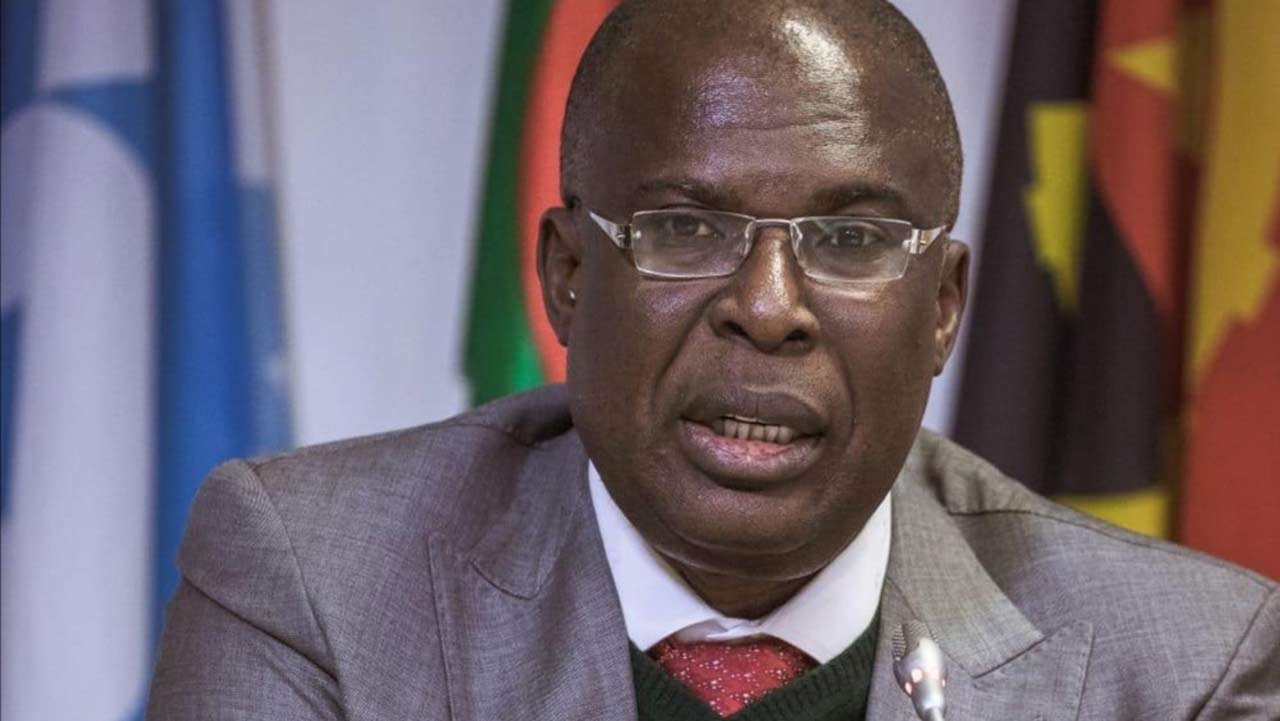
The Nigerian government has called on partners in the Nigerian liquefied natural gas (NLNG) project to allow third-party gas transportation through their joint pipelines to increase gas supply to the plant.
Chief Timipre Sylva, Minister of State Petroleum Resources, made the appeal during an audience with the new Italian Ambassador to Nigeria, Mr Sefano De Leo, on Monday in Abuja.
NLNG has been unable to operate at full capacity following the refusal of joint partners Shell, Chevron, NNPC and others to allow third parties to transport gas through their pipelines to NLNG trains.
This has been causing the inability of the company to meet both national and international gas obligations.
According to a statement from Media and Communications Advisor Horatius Egua, NLNG is currently only able to produce around 70 per cent of installed capacity.
Sylva said that if NLNG’s partners relaxed their rules and allowed third parties to supply gas to NLNG, the company could provide gas to help alleviate the European Union’s gas crisis.
“The problem we have with existing NLNG trains is insufficient gas supply. The partners are running out of gas and refuse to have third parties supply gas to the Trains.
“The partners insist that they can only allow third parties to supply gas to the plant if they agree to supply at subsidized rates.
“These people, of course, want to make money and they can’t supply at subsidized rates and that’s why NLNG trains can’t produce at full capacity.
“Partners can afford to supply at subsidized rates because they are partners in the NLNG project, not third parties.
“This is a very critical issue that I want to discuss with the respective partners to see how we can resolve this issue so that we can increase NLNG production capacity,” said Sylva.
The minister, who underlined the long-standing relations between Nigeria and Italy, also requested the cooperation of the Italian government in providing support for night helicopter rescue operations in the country.
He added that, at the moment, helicopters cannot fly at night in Nigeria, which prevents any rescue operations at night.
He said: “For us, this is a very important matter. We want to develop a 24-hour economy. We want a situation where helicopters can fly 24 hours in Nigeria.”
In his response, De Leo emphasized the importance of Nigeria in Africa, noting that as the most populous country on the continent, it would be difficult for anyone to ignore the country on both the political and economic fronts.
“At the moment, the EU wants to diversify its energy sources, especially gas, and Nigeria is very strategic for us. We have been friends and partners for a long time and one of the most important in that sense.
“So we need to continue to have a dialogue about how things can be done right. In Africa, no country is more strategic than Nigeria because of its population, economy and political position.
“So we are happy to work with you,” the ambassador further stated.

US authorities slam Air Peace boss, Onyema, with fresh fraud charges

Report: NUPRC has not approved $1.3bn Shell Renaissance deal

There’s a plan to derail Tinubu’s petroleum industry revolution

NNPCL’s acquisition of OVH: Reps member, Miriam Onuoha, slams Atiku, says oil and gas sector should not be politicised

Fidelity Bank affirms commitment to data protection, strong corporate governance

NGX rates Fidelity Bank highest on corporate governance

Like Saudi Aramco, NNPC Ltd under Kyari is creating value for Nigerians

NNPCL FY’23: Kyari stands tall in spite of disruptors’ intrigues

Arewa groups accuse Ugochinyere of plot to blackmail Speaker Abass, deputy, call for probe

CNPP and its failed evil campaign against NNPCL, Kyari

Arewa youths slam Dangote, say ‘you can’t dictate fuel price’

Warn Agbese over false allegations against NNPCL, NMDPRA, group tells reps speaker

1XCUP 2024: 20 teams to battle for N20m as competition kicks off August 5
Paris 2024 Olympic table tennis draw announced
