
News
65% pesticides in Nigerian market highly hazardous –Group

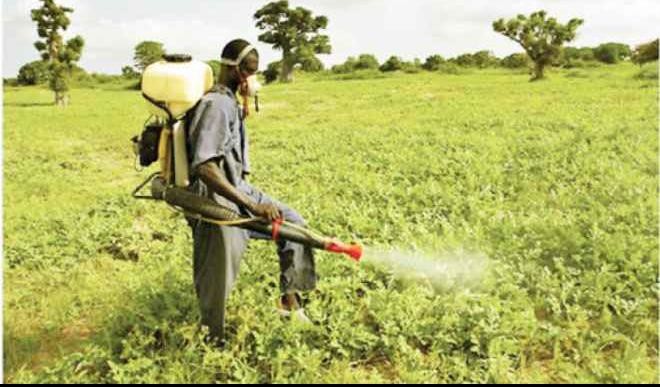
Mr Chris Kaka, National Program Coordinator, Trade Network Initiative (TNI) stated on Tuesday that 65 per cent of pesticides used in Nigeria were hazardous to human health, animals and the environment.
He said they contained active ingredients belonging to the group of Highly Hazardous Pesticides (HHP), at the opening of a two-day strategic planning and training meeting on the use and regulation of pesticides in Nigeria with the theme: “Making promotion work in Abuja.
At the event convened by Action on Pesticides in Nigeria (AAPN), the coordinator pointed out that 40 per cent of all registered pesticide products in the country had been withdrawn from the European market or severely restricted due to their hazardous content.
This 40 per cent, he said, represents 57 active ingredients in 402 products that are still used in the country.
Kaká lamented that there is no serious regulation to control the arbitrary use of these products among farmers.
This, he said, informed the formation of the alliance to bring stakeholders together to share knowledge and engage the government on how to tackle the challenge.
The coalition sought to raise awareness of the dangers of pesticides, demand for better regulation of pesticides, and the promotion of the introduction of more sustainable farming methods and food systems.
In order to strengthen its advocacy, the AAPN sought to come together to organize training to improve its members’ knowledge of pesticide use and regulation, share experiences from their individual work, create synergies and explore new avenues of advocacy.
“Many farmers are not even aware of this danger and we think there is a need to raise awareness about this,” he said.
In her presentation, Ms Silke Bollmohr, ecotoxicologist, highlighted the need to always ensure that less toxic pesticides are brought into agriculture.
Bollmohr, who is a Pesticide Risk Assessment trainer, listed the effects of hazardous pesticides on human life, soil and water quality.
Nigerians, he explained, were more exposed to these dangers because communities and residents are closer to farms than in the Western world.
He urged farmers to always check the information label, saying labels contain vital information on the chemical compositions of pesticides.
It also warned farmers against using the same herbicides, fungicides and insecticides over a long period, advising them on the use of biopesticides in the environment. (NAN)

US authorities slam Air Peace boss, Onyema, with fresh fraud charges

Report: NUPRC has not approved $1.3bn Shell Renaissance deal

There’s a plan to derail Tinubu’s petroleum industry revolution

NNPCL’s acquisition of OVH: Reps member, Miriam Onuoha, slams Atiku, says oil and gas sector should not be politicised

Fidelity Bank affirms commitment to data protection, strong corporate governance

NGX rates Fidelity Bank highest on corporate governance

Like Saudi Aramco, NNPC Ltd under Kyari is creating value for Nigerians

NNPCL FY’23: Kyari stands tall in spite of disruptors’ intrigues

Arewa groups accuse Ugochinyere of plot to blackmail Speaker Abass, deputy, call for probe

CNPP and its failed evil campaign against NNPCL, Kyari

Arewa youths slam Dangote, say ‘you can’t dictate fuel price’

Warn Agbese over false allegations against NNPCL, NMDPRA, group tells reps speaker

1XCUP 2024: 20 teams to battle for N20m as competition kicks off August 5
Paris 2024 Olympic table tennis draw announced
