
News
COVID-19: Nigeria argues for debt cancellation at UN

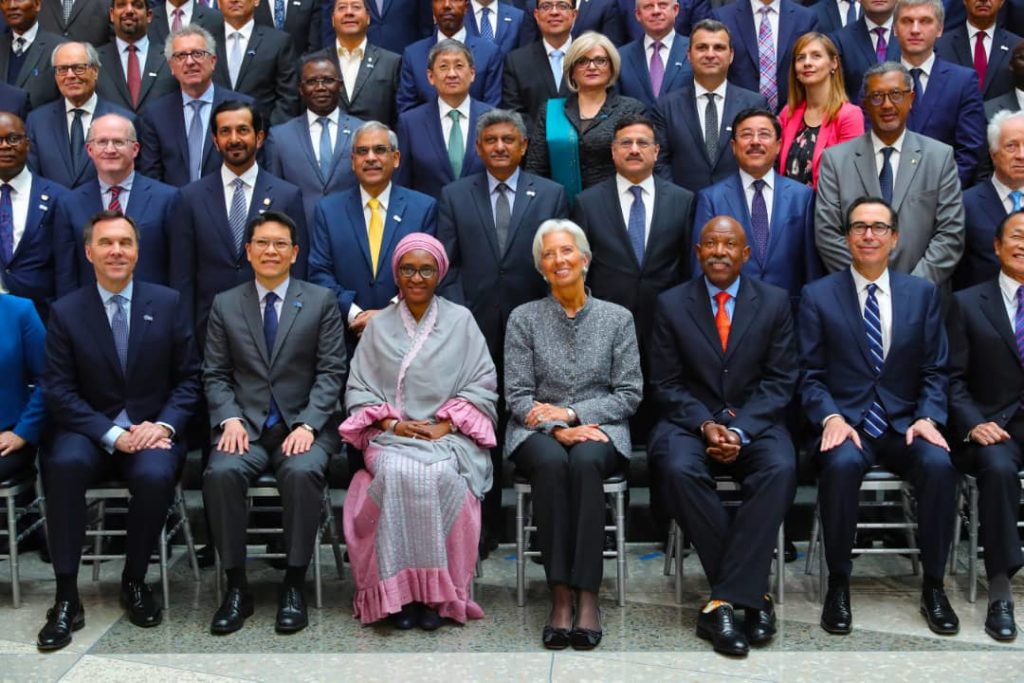
Nigeria has urged multilateral lenders to provide more debt relief for vulnerable countries especially countries in Africa.
Zainab Ahmed, minister of finance, budget, and national planning, made this known as she spoke on Tuesday during the United Nations meeting of finance ministers to consider options for financing the 2030 agenda for sustainable development in the era of COVID-19 and beyond.
The minister said lenders could consider either outright debt cancellation or at the very least, extended debt suspension.
“It is in this regard that my delegation supports the call for outright cancellation of debt for vulnerable nations, or at the very least extended debt suspension as well as liquidity retrieve and also special drawing rights for countries in special situations, especially countries in Africa,” Ahmed said.
“We encourage the international community to explore and develop specific targeted measures including mutual legal assistance to address barriers to international cooperation.”
Ahmed also said destination countries of illicit financial flows can help fight the scourge saying illicit financial flows will continue to affect domestic revenues, economic stability, sustainable development, and permit corruption if solutions are not established to tackle the illicit practice.
“The COVID-19 pandemic poses unprecedented challenges globally and it is further deepening the gap between public resources and financing needed to make the sustainable development goals a reality,” she said.
“In particular illicit financial flows unless checked, will continue to significantly erode domestic revenues, enable corruption, threaten economic stability and sustainable development, divert money from public priorities and hamper government’s efforts to mobilize domestic resources and recover better.
“As one of the most affected countries, the Nigerian experience has shown that technology-enabled improvements and tax collection and compliance, helps deter tax crimes and facilitate public trust.
“Also the mainstreaming of transparency and anti-corruption measures into economic policymaking processes has significantly reduced crime, similarly establishing an accurate up-to-date and public financial ownership register and strengthened automatic exchange of tax information helps address a commercial component of illicit financial flow.”

US authorities slam Air Peace boss, Onyema, with fresh fraud charges

Report: NUPRC has not approved $1.3bn Shell Renaissance deal

There’s a plan to derail Tinubu’s petroleum industry revolution

NNPCL’s acquisition of OVH: Reps member, Miriam Onuoha, slams Atiku, says oil and gas sector should not be politicised

Fidelity Bank affirms commitment to data protection, strong corporate governance

NGX rates Fidelity Bank highest on corporate governance

Like Saudi Aramco, NNPC Ltd under Kyari is creating value for Nigerians

NNPCL FY’23: Kyari stands tall in spite of disruptors’ intrigues

Arewa groups accuse Ugochinyere of plot to blackmail Speaker Abass, deputy, call for probe

CNPP and its failed evil campaign against NNPCL, Kyari

Arewa youths slam Dangote, say ‘you can’t dictate fuel price’

Warn Agbese over false allegations against NNPCL, NMDPRA, group tells reps speaker

1XCUP 2024: 20 teams to battle for N20m as competition kicks off August 5
Paris 2024 Olympic table tennis draw announced
